Edensaw Woods is your
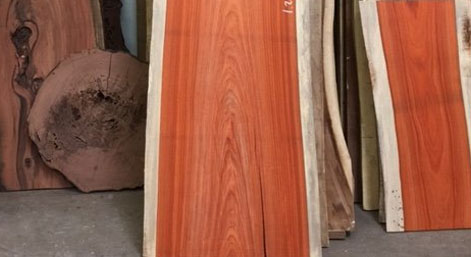
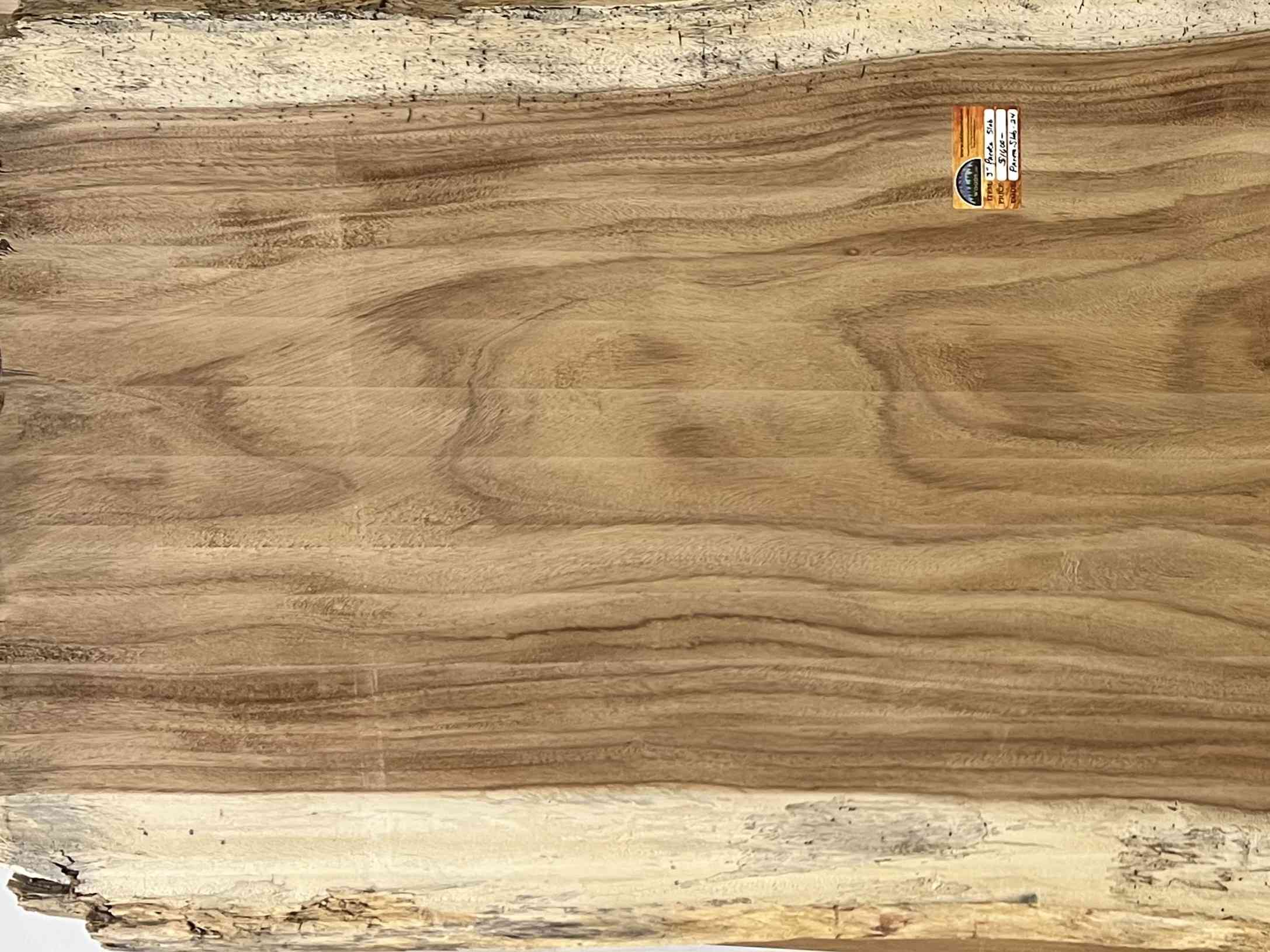
dependable live edge woods specialist and supplier in Seattle-Tacoma, Washington state, providing only high-quality live edge woods from alaskan yellow cedar, alder wood, cherry, finger-jointed wood, maple, padouk, parota, red oak wood, sapele, sipo, walnut, western maple wood, white oak, and many more wood selections. We carry virtually every live edge wood species you could possibly need.
Live edge wood has become a popular material among furniture manufacturers, woodworkers, and home builders in North America, particularly in the Pacific Northwest regions. The natural, organic beauty of live edge wood, combined with its distinct qualities, has driven its popularity. Live edge wood's rustic charm and versatility have captured the attention of artisans looking to create unique and aesthetically appealing pieces.
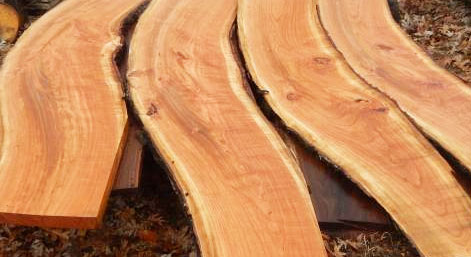
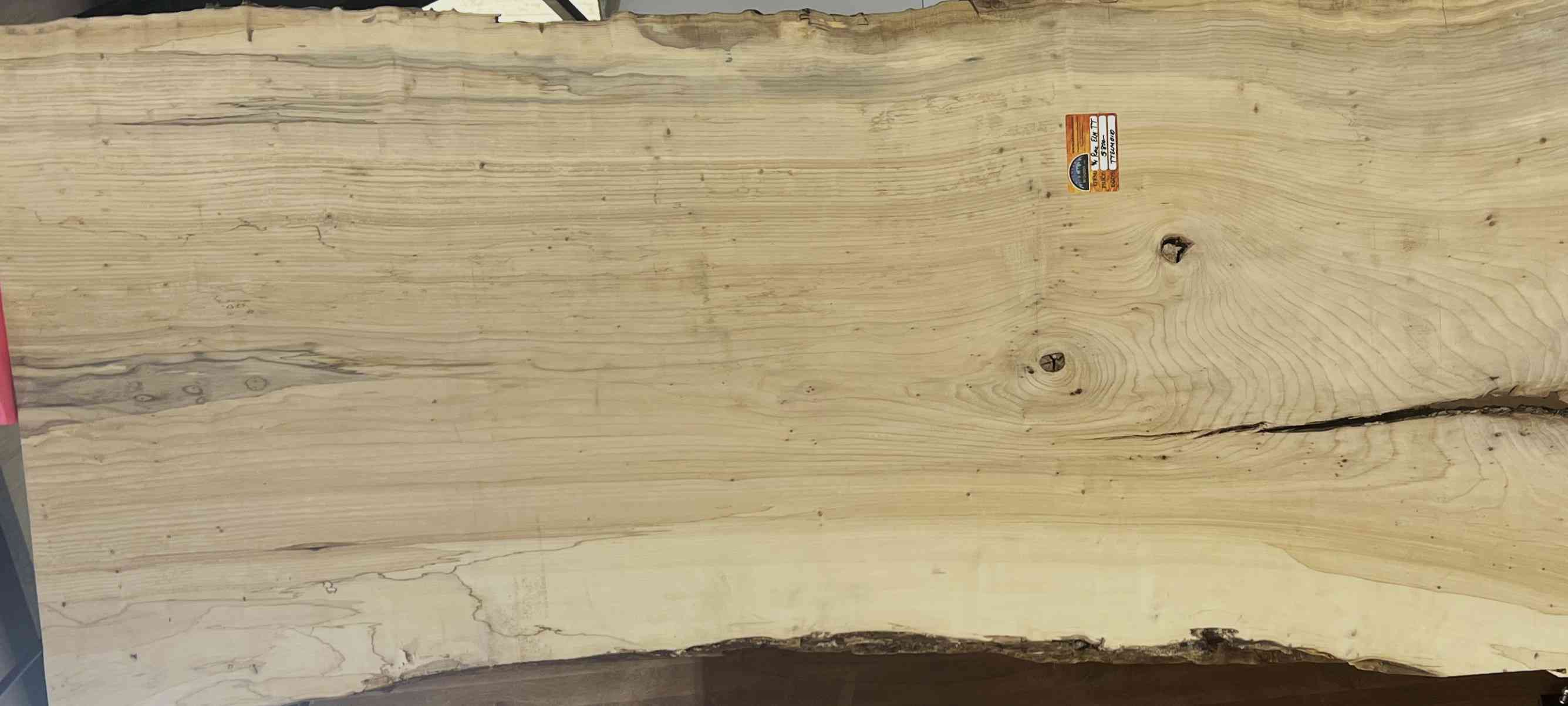
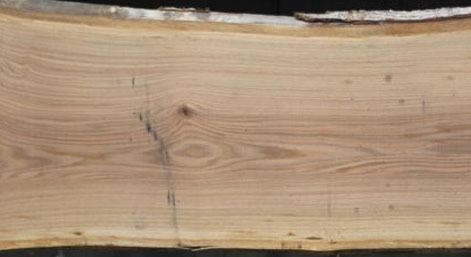
The defining feature of live edge wood allows craftsmen to showcase the wood's growth rings, knots, and irregularities, providing a visually captivating and authentic aesthetic. The
live edge brings a sense of nature's beauty into furniture and woodworking projects, creating a connection between the natural world and the finished piece. Natural imperfections, such as knots, cracks, and burls, add character and uniqueness to each slab, often making the piece a focal point in any space. The natural contours and irregularities of the live edge bring a sense of organic warmth and authenticity to furniture, giving it a timeless appeal. Live edge provides limitless opportunities for customisation, making it popular among furniture manufacturers, woodworkers, and home builders because it can be turned into tables, countertops, shelves, mantels, and various other wooden pieces. Craftsmen can build pieces that match specific areas and individual preferences by tailoring the shape, size, and finish of the live edge wood.
Popular Live Edge Wood Species - What are the most popular live edge woods in North America?
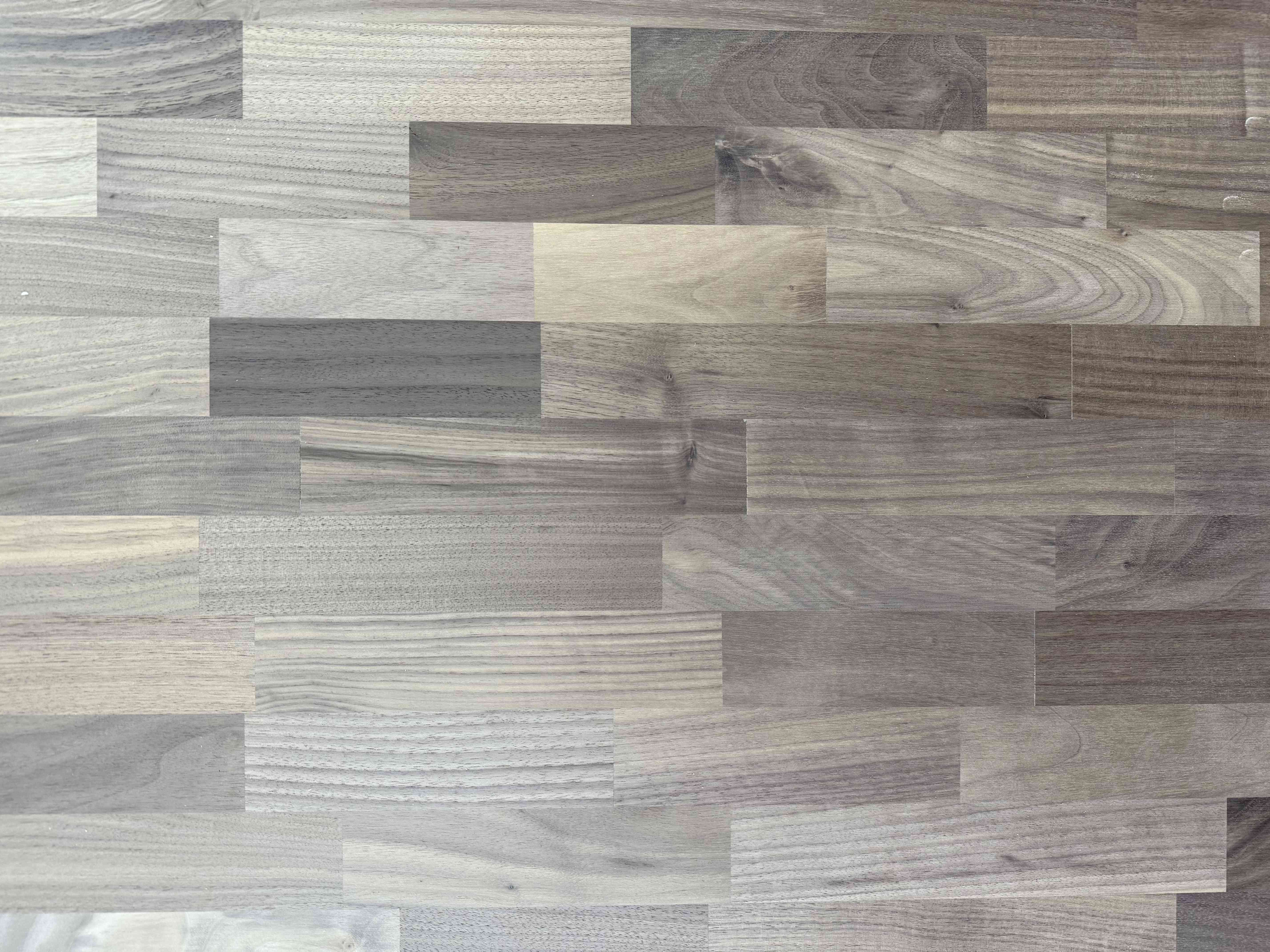
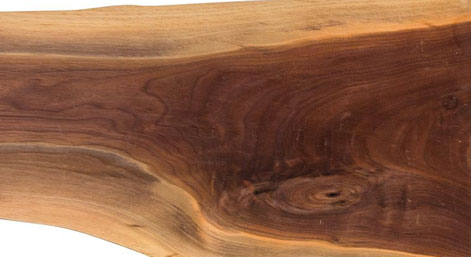
Black walnut wood is one of North America's most popular and widely available live edge woods. It has deep, dark brown tones with traces of lighter sapwood. The exquisite grain patterns and durability of black walnut make it a premier choice for live edge tables, countertops, and other fine furniture pieces.
Redwood is appreciated for its deep reddish-brown color and great durability. It is found largely in the Pacific Northwest. Redwood live edge slabs highlight the tree's distinctive grain patterns and knots, making them ideal for crafting gorgeous tabletops, benches, and outdoor furniture.
Alaskan yellow cedar wood is a popular live edge wood due to its beautiful golden color and great durability. It has a fine grain, innate resistance to deterioration, and fragrant properties. Live edge Alaskan yellow cedar slabs are frequently used for outdoor furniture, decking, and interior embellishments.
Alder wood is valued for its light color, subtle grain patterns, and workability. Because of its low cost and adaptability, it is widely used in live edge furniture. Alder live edge slabs are popular for tabletops, bookcases, and cabinets because they add a warm and welcoming feel to any environment.
Oak live edge wood has a strong and distinct personality. Oak is popular for live edge tabletops, mantels, and statement furniture pieces due to its obvious grain patterns and durability. Oak's warm tones and striking textures offer a classic, rustic appeal to any environment.
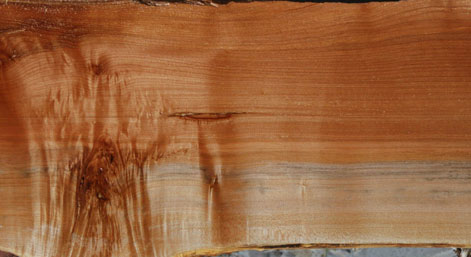
Cherry live edge wood has a reddish-brown tint that deepens and darkens with age, adding to its attractiveness. Cherry is a popular choice for live edge dining tables, countertops, and smaller accent pieces due to its smooth grain and warm tones. Cherry's intrinsic shine and beautiful aging process add to its appeal.
Preparation and Stability: From Slab to Table - For a live edge piece to last, proper preparation is essential:
- Moisture Content (MC): Every live edge slab must be kiln-dried to a stable moisture content, typically between 6% and 8%, for interior furniture use. This prevents warping, cracking, and excessive movement once the piece is placed indoors.
- Flattening and Surfacing: Before assembly, the slab must be flattened (or "planed") to ensure both faces are parallel and level. While Edensaw offers local rough sawn and surfaced lumber, many large slabs require a final surfacing to remove saw marks and create a smooth, workable surface.
- Finishing: The correct finish protects the wood and enhances its appearance. Durable finishes like catalyzed lacquer, polyurethane, or penetrating oil finishes (like Osmo or Rubio Monocoat) are typically used for high-traffic surfaces like dining tables and bar tops.
Epoxy and Resin Applications - The use of clear or colored resin has become popular for filling voids, cracks, and creating "river tables":
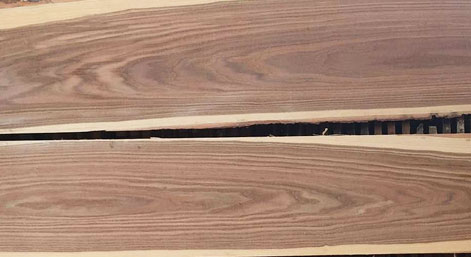
- River Tables: These pieces utilize two live edge slabs separated by a clear or colored epoxy resin poured into the middle space, mimicking a flowing river. This technique is especially popular with Walnut and Maple slabs.
- Crack Stabilization: Thin-pour epoxy resin can be used to fill and stabilize natural cracks and checks in the slab, preventing them from growing while preserving the rustic aesthetic.
- Material Choice: Always use a deep-pour epoxy specifically designed for furniture casting. Standard finishing epoxy is usually too thin and can overheat or crack when poured too thickly.
Selecting Bases and Supports - The base is vital for both the aesthetic and structural support of the heavy live edge slab:
- Steel Bases: Modern and industrial designs often utilize welded steel U-legs, X-legs, or trapezoid bases. These offer exceptional strength and a high-contrast look that complements the natural wood texture.
- Wood Bases: For a classic or unified look, wood trestle bases or pedestal legs can be constructed from a matching or complementary species. When attaching the slab, always use slotted holes or figure-eight fasteners to allow the slab to expand and contract with humidity changes.
- Attaching the Slab: Due to the weight and inherent movement of the slab, the base must be attached securely with large screws or bolts. The fasteners must allow for the natural seasonal movement of the wood to prevent splitting.
If you are looking for
quality live edge wood for your current woodworking projects - you found the right place! As your local domestic and exotic wood supplier,
Edensaw Woods (
Edensaw.com) offers a wide selection of top-quality
live edge woods for unique furniture, bar tops, and artistic projects. From our locations in Port Townsend-Tacoma, Washington, USA, we provide professionals and hobbyists in Seattle-Port Townsend-Tacoma and the nearby Pacific Northwest region with stunning local rough sawn and surfaced lumber. Browse our diverse collection of species, featuring beautiful hardwoods like
cherry,
elm,
maple,
walnut,
red oak, and
white oak, as well as specialty types like
western maple,
padouk,
parota, and
redwood. We also stock pre-sized materials like
table top slabs, budget-friendly
assorted clearance pieces, and
fingerjointed options, among many more choices. Learn about our wide array of
products and
services by reaching out via
contact us.