Edensaw Woods is a major provider of
high-quality red oak lumber and domestic wood in Seattle-Tacoma, Washington, servicing local home construction, furniture-making, flooring, veneer, trim & moldings, and many other industries. Explore our huge collection of domestic red oak woods and speak with our professional staff, who will happily assist you in selecting the supplies you need for your unique project.
In North America,
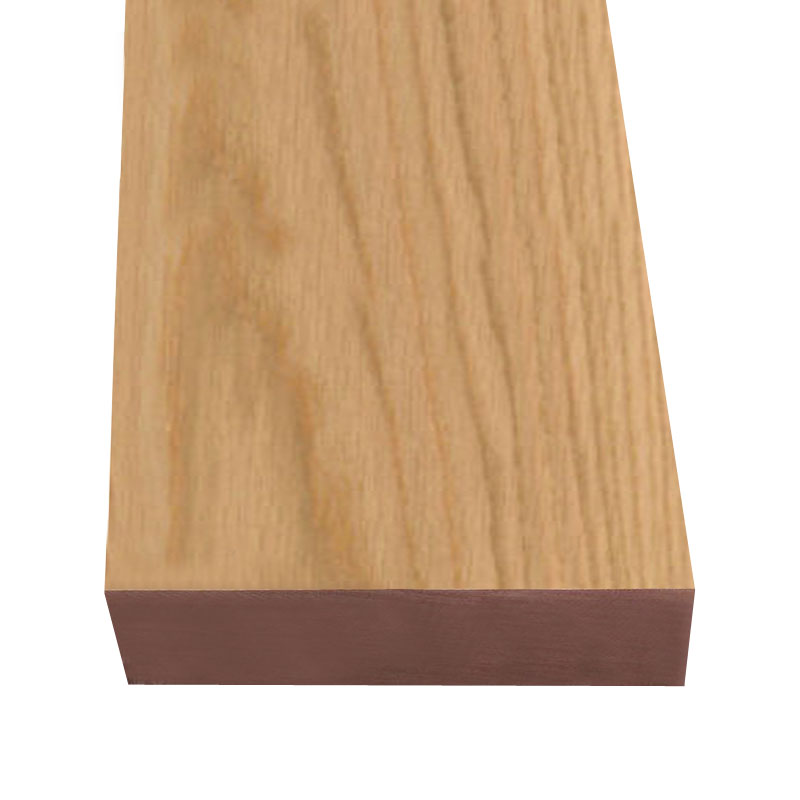
red oak (Quercus rubra) is a highly valued domestic hardwood that is often utilized for a variety of woodworking applications. It has a mild tan with a reddish tinge that darkens to a darker brown with time. It is usually straight-grained, however it can occasionally be wavy or curly. It has a Janka hardness rating of 1290 lbf, indicating that it is a strong and long-lasting wood. Its average density is approximately $42 \text{ lbs/ft}^3$, which makes it heavier than many other domestic hardwoods. Red oak machines and finishes beautifully, however, due to its porous nature, sharp tools are needed to prevent tear-out. Red oak lumber is considered dimensionally stable, with minimal warping or shrinking after proper kiln-drying.
Red Oak Wood Properties and Uses
- Color/Appearance: The heartwood is typically light brown with a noticeable reddish cast. The sapwood is nearly white. The color darkens with age and exposure to light.
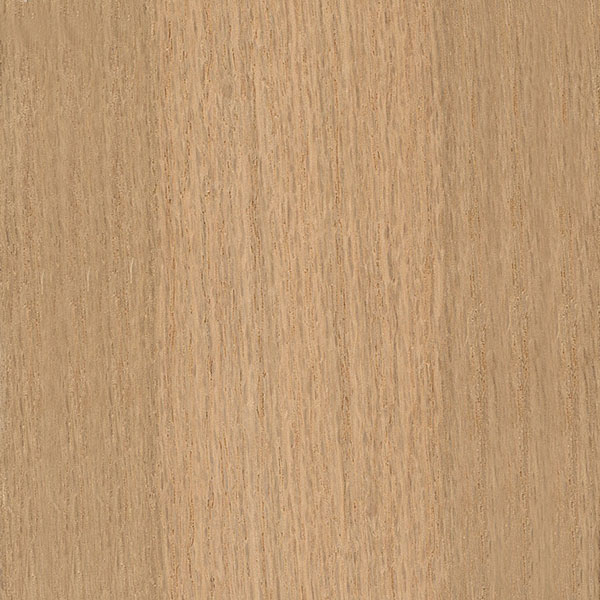
- Grain/Texture: The grain is straight, coarse, and open. It features prominent rays and large pores, creating the bold figure often seen in oak furniture and trim.
- Endgrain: Characterized by large, open pores (ring-porous wood) that are clearly visible and typically lack tyloses (unlike white oak). This open pore structure is key to its aesthetic.
- Rot Resistance: Red oak is rated as non-durable and is prone to decay and insect attack. It is not suitable for exterior or marine applications unless fully pressure-treated or encapsulated.
- Workability: Generally machines well, but its coarse, open grain can be prone to tear-out during planing, particularly when working against the grain. It stains beautifully, making it popular for custom coloring.
- Odor: Typically has a distinct, mild, and pleasant odor that is noticeable during cutting.
- Common Uses: Ideal for flooring, interior trim, cabinetry, furniture, veneer, and barrels (not suitable for liquid storage like white oak).
Red Oak vs. White Oak? Customers often choose between red and white oak for high-end projects. While both are strong and durable, their differences dictate suitability for various applications:
- Aesthetic: Red oak has a pronounced reddish hue and a more open, porous grain structure. White oak has a browner, sometimes slightly greener hue and a tighter, closed grain.
- Water Resistance: This is the most critical difference. White oak pores are plugged with balloon-like structures called tyloses, making the wood highly impermeable to water. This allows white oak to be used for boatbuilding, exterior projects, and liquid-tight barrels. Red oak lacks these tyloses, making it prone to water ingress and rot, and thus suitable only for interior use.
- Hardness: White oak is slightly harder and denser than red oak (white oak Janka is approx. 1360 lbf vs. red oak's 1290 lbf), offering marginally better dent resistance for flooring.
- Finishing: Due to its open pores, red oak readily accepts stain, often darkening significantly. It benefits greatly from the use of pore fillers for a smoother finish.
Due to its pronounced open grain, applying a proper finish to red oak is essential to maximize its beauty and durability:
- Staining: Red oak is famous for taking stain well, allowing for a wide range of colors. However, always test the stain on a scrap piece first, as the natural reddish undertone will influence the final color.
- Pore Filling: For a smooth, glass-like finish on tabletops or fine furniture, a grain filler or pore filler should be used. This paste material is rubbed into the open pores to level the surface before the topcoat (lacquer or varnish) is applied.
- Clear Topcoats: When applying a clear finish, note that oil-based varnishes or polyurethanes can amplify the natural reddish-brown tones of the wood, while water-based finishes may keep the color lighter and more natural.
Common Applications for Domestic Red Oak Lumber:
- Furniture: Because of its strength and durability, red oak is a popular choice for cabinets, furniture frames, and other structural components.
- Flooring: Because of its timeless beauty, affordability, and wear resistance, red oak is a favorite flooring choice.
- Trim and Moldings: Red oak trim and moldings provide a classic, substantial touch to doors, windows, and other interior trim elements.
- Veneer: Thin slices of red oak can be used to veneer other woods, giving them a more opulent appearance while maintaining stability.
- Other Uses: Other applications include tool handles, interior millwork, and paneling that requires a robust and durable domestic wood.
Find top-quality red oak lumber and wood supplies for your next project at Edensaw Woods (
Edensaw.com), your local domestic lumber and wood supplier in Port Townsend-Tacoma, Washington. Serving the Seattle-Port Townsend-Tacoma area and the Pacific Northwest region, we carry a wide selection of top-quality
domestic lumber and woods, specializing in
poplar lumber, which is excellent for utility work, paint-grade millwork, and secondary components due to its smooth texture and low cost. Our comprehensive domestic wood inventory also features:
alder,
ash,
basswood,
beech,
birch,
cherry,
fir,
hickory,
eastern maple,
western maple,
red oak,
red oak r/q,
tennessee cedar,
walnut,
white oak, and
white oak r/q lumber. Review our full range of
products and
services, and
contact us for material availability. We invite you to
tell us about your completed project!