Edensaw Woods is a
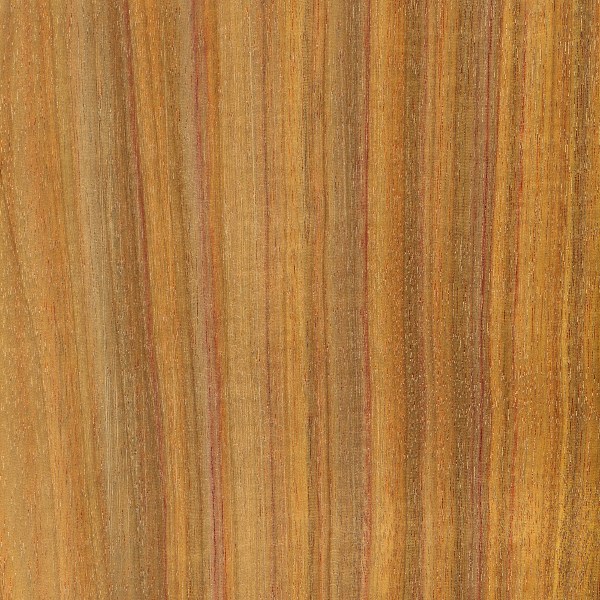
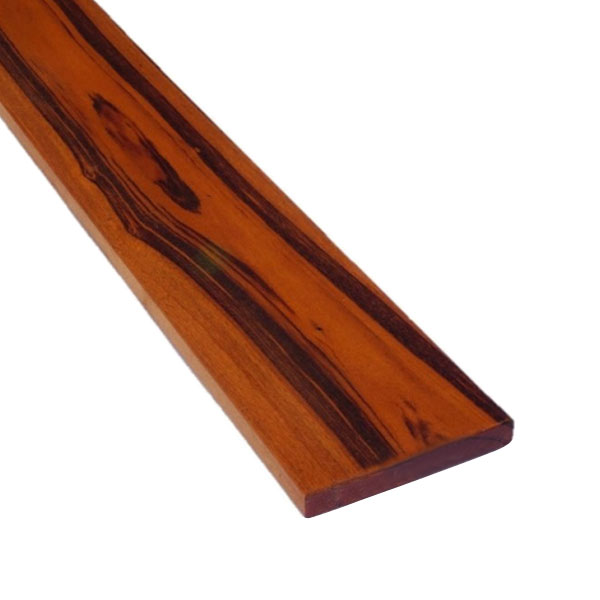
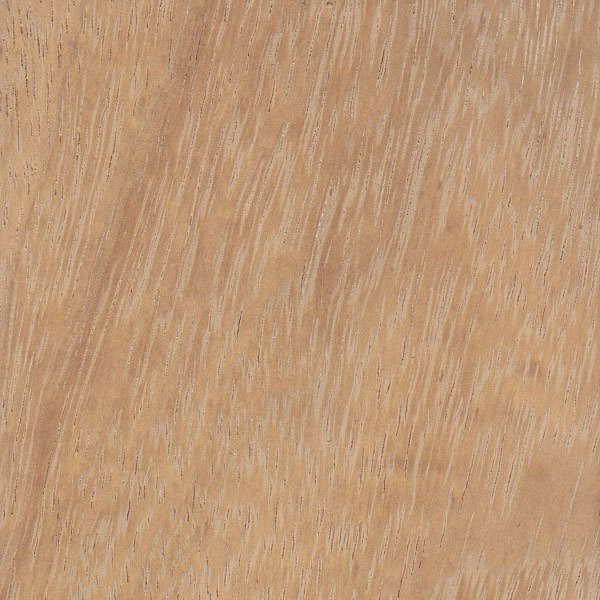
leading supplier of high-quality imported woods in the Evergreen State for house construction, woodworking, and remodeling projects. You can find a wide range of high-grade imported woods at Edensaw, including afromosia, black limba, bloodwood, bubinga, canary, european beech, goncalo alves, honduras mahogany, iroko, jatoba, khaya, lacewood, meranti, morado, padouk, peruvian walnut, purpleheart, sapele, shedua, spanish cedar, teak, tzalam, wenge, zebrawood, and other rare-exotic imported wood species.
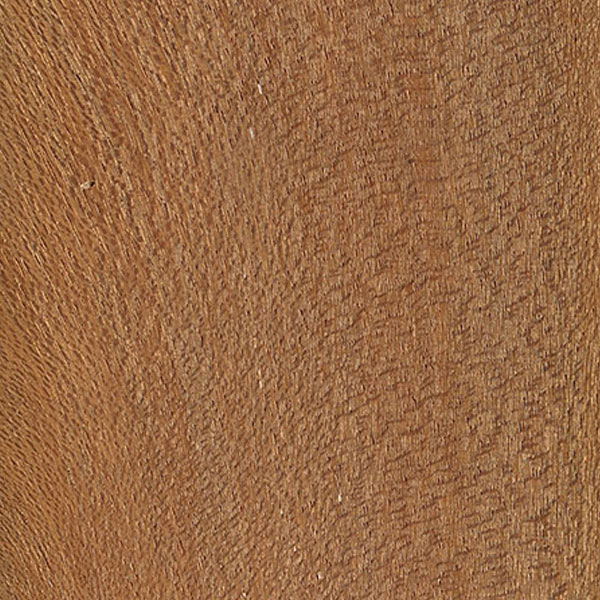
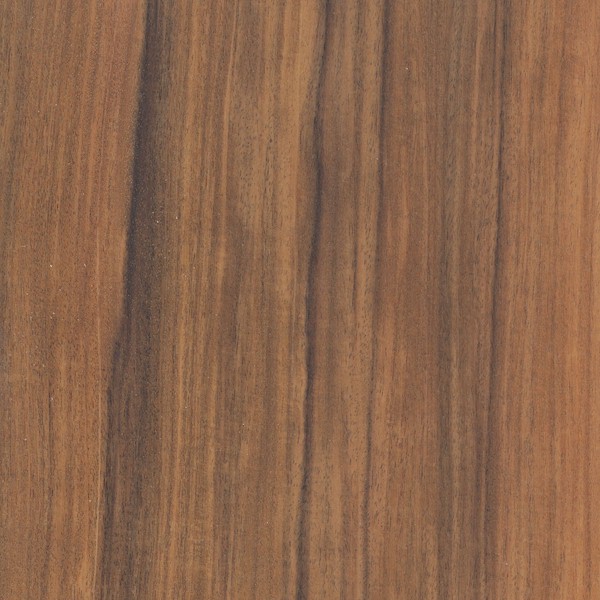
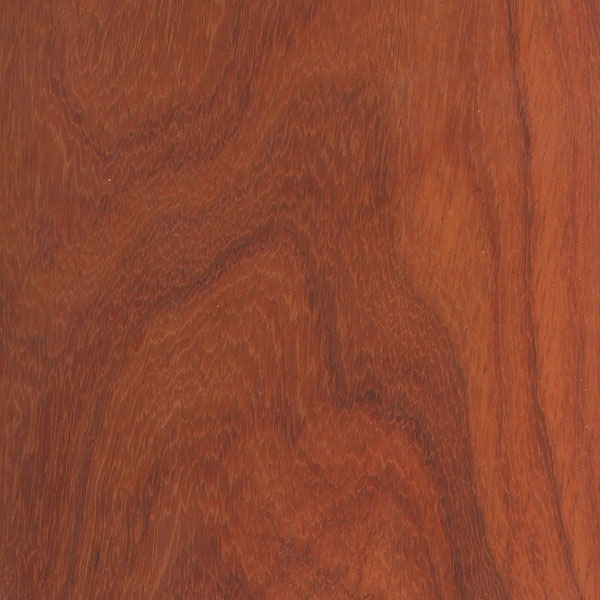
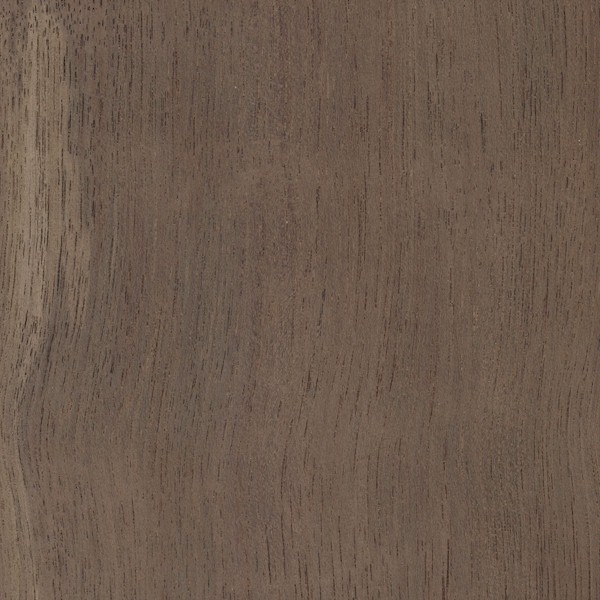
Imported Wood Supplies in the Pacific Northwest: Imported wood and lumber have grown in favor among craftsmen, furniture makers, woodworkers, and home builders in North America, notably in the Pacific Northwest. Imported wood offers a wider variety of grain patterns, colors, and textures that are not typically available in domestic wood. These imported timbers provide a greater palette for furniture makers and artisans to develop unique and eye-catching pieces. Exotic species frequently exhibit vibrant colors, unique grain patterns, and a wide range of densities, allowing craftspeople to create one-of-a-kind items that stand out.
The Janka Hardness Scale: Why It Matters? The Janka hardness test measures the force required to embed a 0.444-in steel ball halfway into a sample of wood. This rating is critical for exotic woods, especially those used for flooring and high-wear furniture:
- Durability Benchmark: A higher Janka rating indicates greater resistance to dents, wear, and scratching. For comparison, domestic White Oak has a Janka rating around 1360.
- Exotic Density: Many exotic woods are significantly harder. For example, Jatoba often exceeds 2350 and Morado is typically over 1800. Choosing a wood with a high Janka rating ensures longevity in high-traffic commercial or residential areas.
What are some of the most popular imported wood and lumber species?
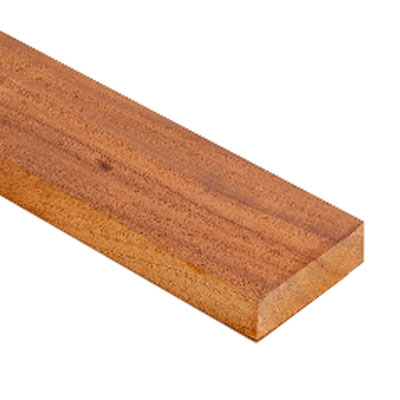
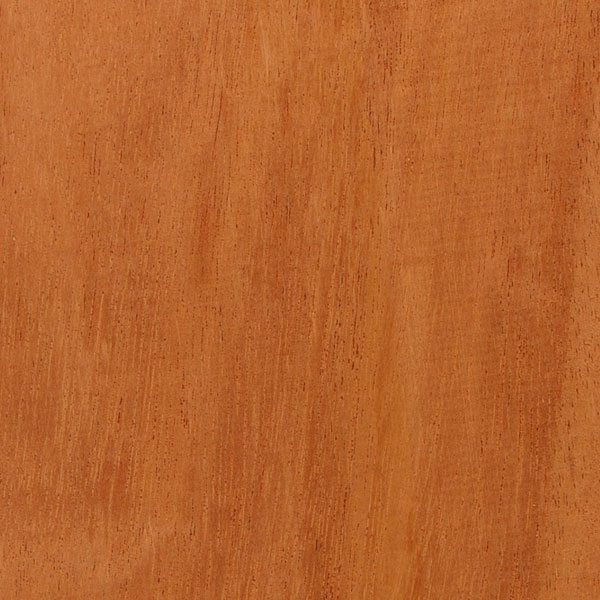
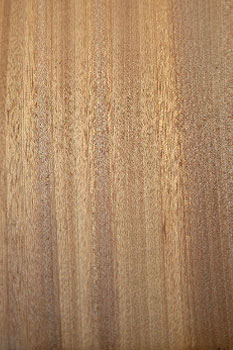
African mahogany (Khaya) wood is notable for its deep reddish-brown color, interlocking texture, and durability. Because of its robustness and lovely appearance, it is often used in furniture building, cabinetry, and flooring. African mahogany lends an air of sophistication and warmth to any woodworking project.
Brazilian cherry (Jatoba) wood is popular in flooring, stairs, and intricate woodworking projects due to its beautiful reddish-brown tint, high density, and durability. Because of its natural brilliance and toughness, it is a preferred choice for both residential and commercial uses.
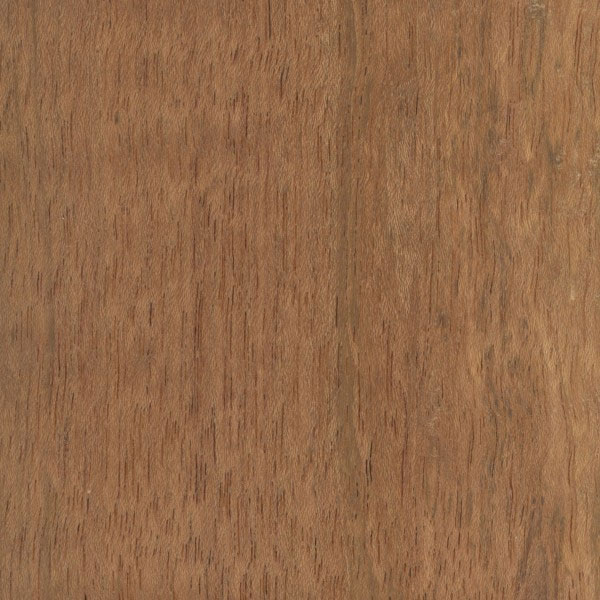
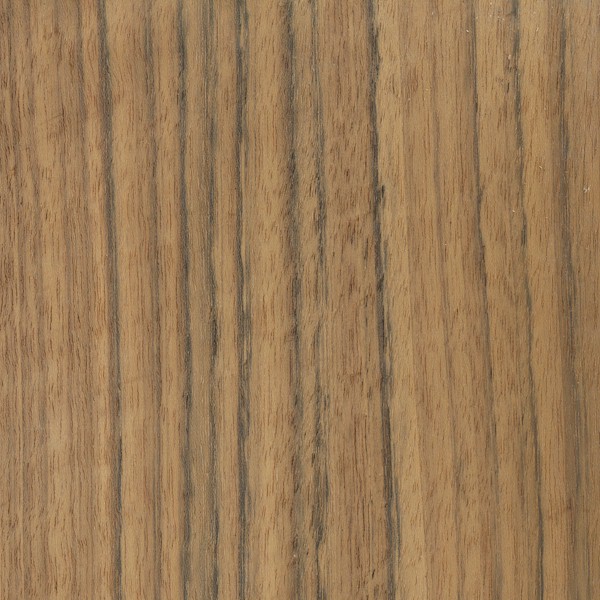
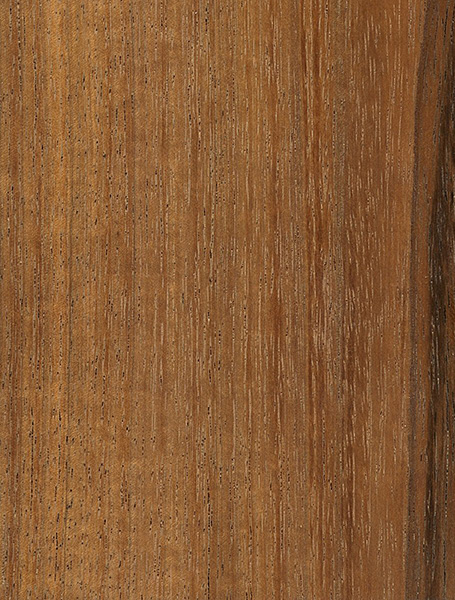
Peruvian walnut wood has gained appeal among furniture builders and craftsmen because of its deep chocolate brown color, fine texture, and moderate toughness. It is popular in high-end furniture, cabinets, and ornamental elements. The dark tones and unusual grain patterns of Peruvian walnut offer a sense of elegance to any woodworking project.
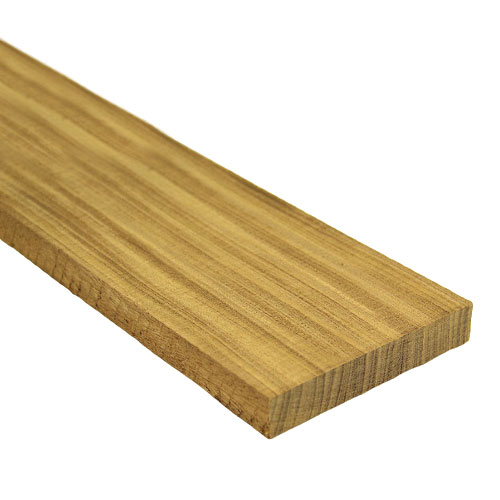
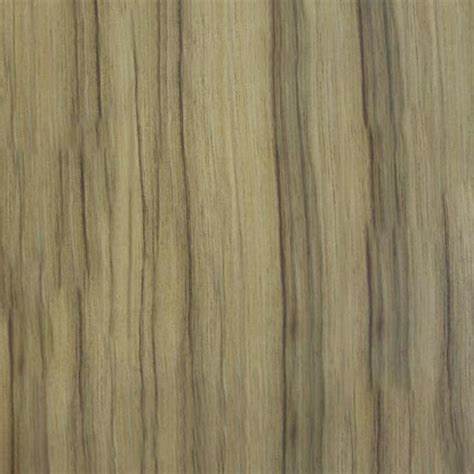
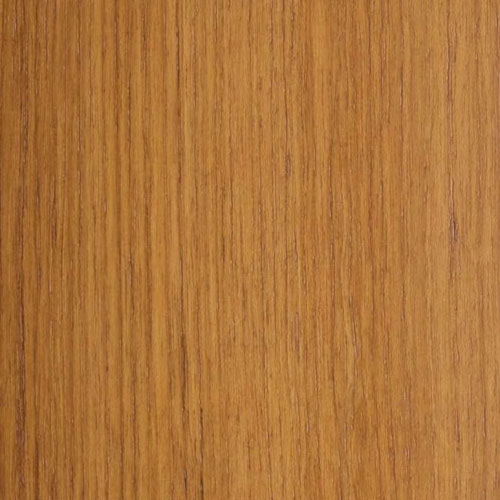
Teak wood, which originated in Southeast Asia, is widely regarded for its natural oils, durability, and decay resistance. Because of its capacity to survive extreme weather conditions, it is often used in outdoor furniture, boatbuilding, and decking.
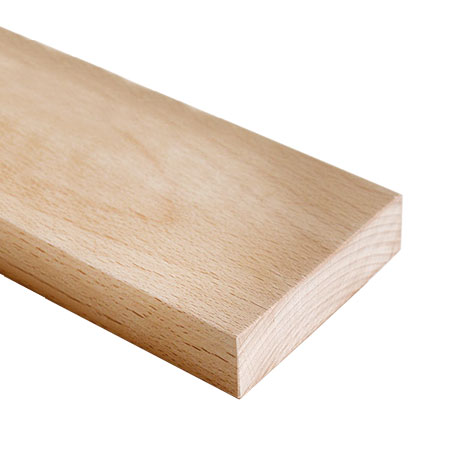
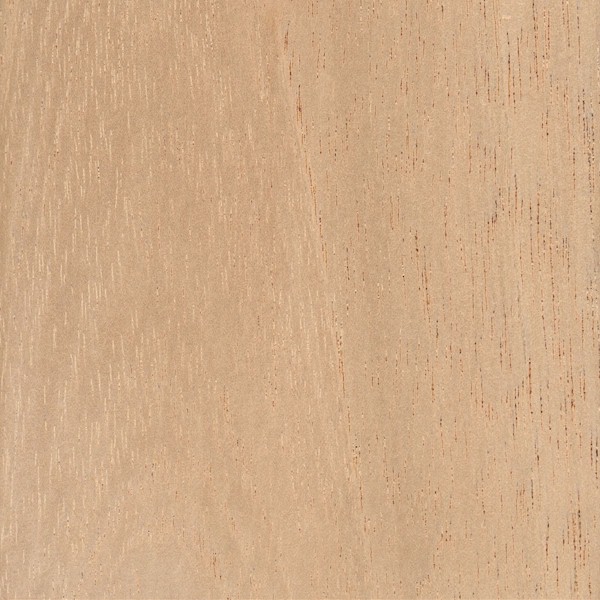
European beech wood is distinguished by its light, creamy color and delicate, uniform texture. It is a versatile wood that is utilized in furniture, cabinetry, and millwork. The crisp grain and resilience of European beech make it a good choice for complex carvings and turned objects.
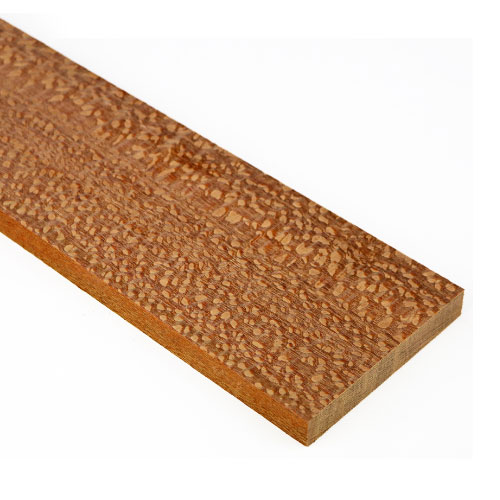
Lacewood, sometimes known as leopardwood, is valued for its distinct and eye-catching appearance. It has a lace-like figure generated by medullary rays that shimmers when light hits the wood. Lacewood is frequently used in veneers, furniture accents, and musical instruments.
Meranti wood is a tropical hardwood native to Southeast Asia that is popular for its strength, adaptability, and low cost. It comes in a variety of species, each with its own set of qualities and colors. Meranti is a wood that is often used in cabinetry, doors, windows, and outdoor applications.
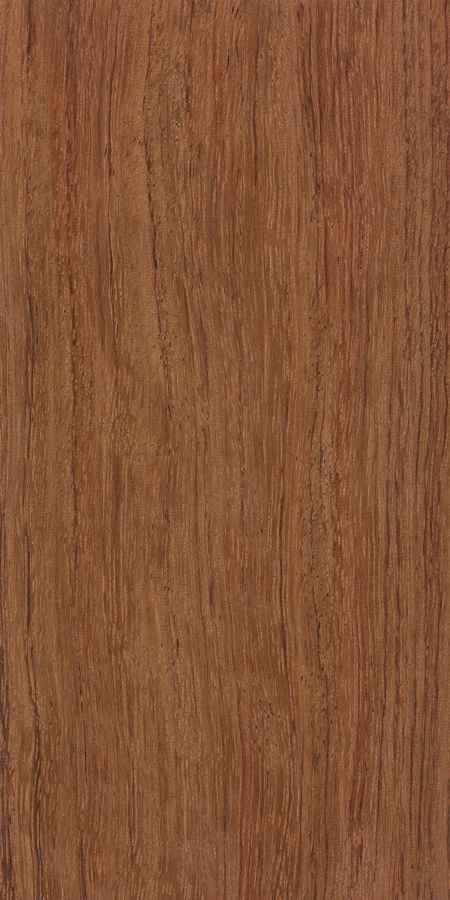
Morado (Bolivian rosewood) is highly valued for its rich purplish-brown color, fine grain, and high durability. It is frequently used in luxury furniture, flooring, and decorative elements. The rich hue and inherent brilliance of Morado make it a popular choice among artisans.
Padauk wood is a bright reddish-orange hardwood that ages to a deep reddish-brown. It is appreciated for its eye-catching hue, durability, and dimensional stability. Padauk is widely utilized in the manufacture of furniture, flooring, cabinets, and musical instruments.
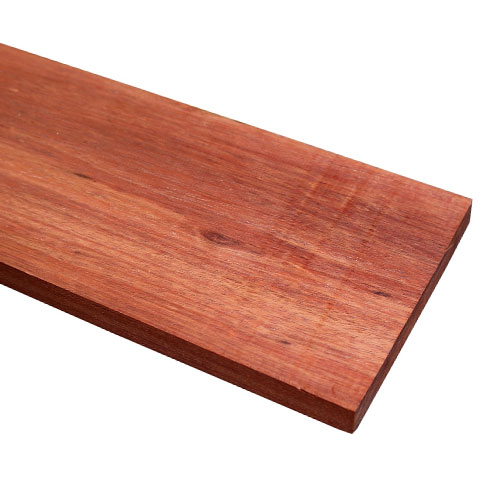
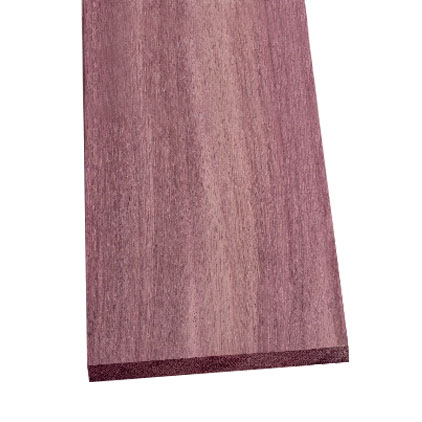
Purpleheart wood is a rich purple color that deepens and darkens with time, as the name suggests. It is well-known for its extreme hardness, strength, and distinct appearance. Purpleheart is frequently seen in high-end furniture, flooring, and specialist goods like knife handles and jewelry boxes.
Working with Exotic Woods: Key Considerations - Exotic species often require different handling techniques due to unique characteristics:
- Movement and Stability: Some tropical woods, such as Wenge and Iroko, have higher natural oils and internal stresses than domestic woods. Proper kiln drying and careful acclimatization are essential to prevent checking or warping after milling.
- Tool Wear: Extremely dense woods, including Jatoba and Wenge, can rapidly dull standard carbon steel blades and router bits. Using high-speed steel (HSS) or carbide-tipped tools is strongly recommended.
- Natural Oils and Adhesion: High oil content, particularly in Teak, can interfere with the adhesion of some glues and finishes. The wood surface may need to be wiped down with a solvent (like acetone or denatured alcohol) just prior to gluing.
- Toxicity: Certain exotic woods, such as Wenge and Purpleheart, can produce irritating dust. Always wear appropriate personal protective equipment, including a respirator and gloves, when sanding or cutting exotic woods.
Specialty Applications: Marine and Cabinet Grade - Certain imported woods are highly prized for specific industrial and marine uses:
- Marine Environment: Teak is the traditional choice for boat decks and trim due to its natural silica content (providing grip) and resistance to water and pests. Iroko and Khaya are also often used as durable, less costly alternatives for boat interiors and exterior elements.
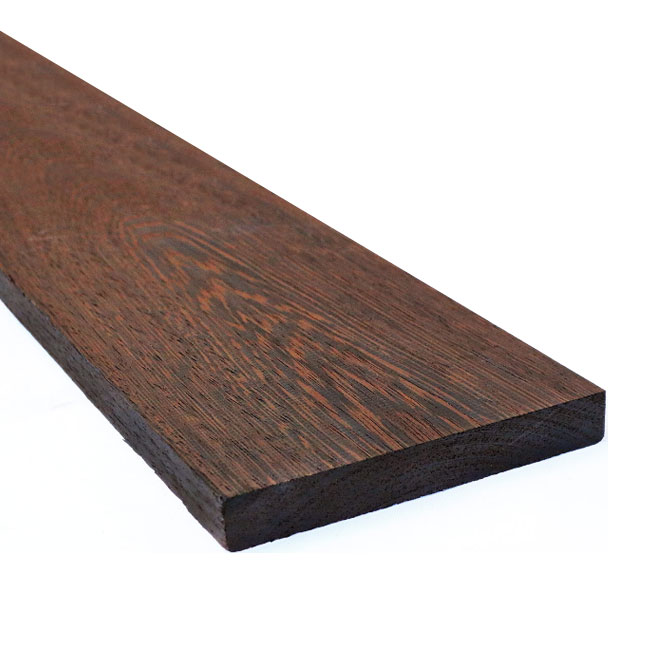
- High-End Cabinetry: Sapele is sought after for cabinets and architectural millwork because of its ribbon-like figure (a shimmering visual effect) when quartersawn, providing an elegant alternative to Mahogany. Wenge is used for modern, high-contrast furniture due to its deep black-brown color and striking grain.
Do you need a specific type of
imported wood (exotic) for your projects? As your local domestic and exotic wood supplier,
Edensaw Woods (
Edensaw.com) offers a wide selection of top-quality
imported wood and lumber for projects requiring unique color and grain. From our locations in Port Townsend-Tacoma, Washington, USA, we provide professionals and hobbyists in Seattle-Port Townsend-Tacoma and the nearby Pacific Northwest region with premium local rough sawn and surfaced lumber. Browse our extensive list of exotic species, including rich
afromosia, dark
black limba, vibrant
bloodwood, bright
canary, and deep purple
purpleheart. Our selection also features fine furniture woods like
european beech,
honduras mahogany,
khaya, and classic shipbuilding material
teak, along with hard-to-find options such as
goncalo alves,
iroko,
jatoba,
lacewood,
meranti,
morado,
padouk,
peruvian walnut,
sapele,
shedua,
spanish cedar,
tzalam,
wenge,
yellowheart, and striped
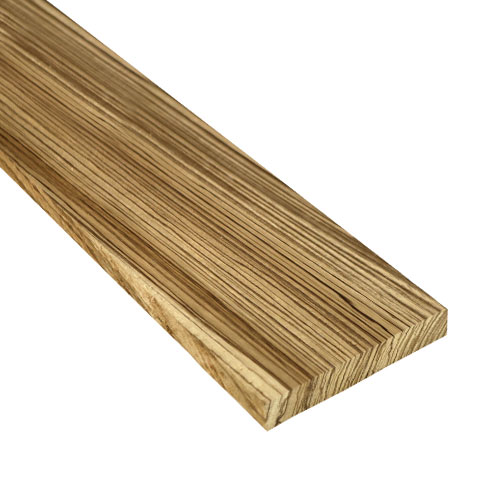
zebrawood, among many more choices. For a full list of our
products and
services, please
contact us.